Preparing for a first championship is easier when you break it into decisions you can actually make. You need to understand the format, choose work you can demonstrate comfortably, and find out what happens to that work with a clock and an audience. The rest of your practice can stay familiar.
The plan below uses roughly six weeks as an example. Give yourself more time if you need it, especially if registration has several steps or you have to arrange travel and a model. If you have less time, narrow the routine and protect the rehearsals that matter most.
Six weeks out: make your entry plan
Open a single document for the rules, schedule, costs and questions. Start with the edition and category rather than a saved screenshot from an earlier event. Identify the round length, how the start and finish are signalled, what is supplied, how recipients are allocated and whether questions can be sent in advance. The Copenhagen programme, for example, shows different arrival and performance expectations for different parts of the event. Match the programme to the part you are actually entering.
Choose one practice goal you can see or hear. You might want to give the recipient a clear introduction without rushing, adjust a positioning aid smoothly or keep enough time for the end of the treatment. A goal like “be impressive” gives your observer very little to work with. “Can my recipient tell what happens next?” is much easier to test.
Put practice appointments in your diary while they are still easy to protect. Plan one with an observer and one to simulate the complete setup and timing. The IMA’s preparation lesson and preparation article are examples of organiser-hosted material you can compare with your own event rules. Use them for ideas, then choose one exercise relevant to your goal.
Four to five weeks out: make a first working version
Sketch the treatment in broad phases and choose a version you can adapt. You are designing a professional demonstration and still working with a real person. Indicate where you will check agreement, make a change or keep an alternative available. Start with the simplest sequence that fits the category and the time. You can develop it after you know where it needs more work.
Try an unobserved practice with a familiar adult recipient and ask them about how it felt. Afterwards, use a timer to see whether your impression of speed matches the actual time. Try the start of the routine separately if that is where you need more ease. The routine design guide shows how to build a timed outline without memorising individual strokes.
At this stage, confirm equipment availability. If you need a different couch or have never used the type of space the organiser describes, see whether you can rehearse with something similar. Give the practice recipient enough information to decide if they are comfortable and find out whether they can help with further rehearsals. If the event pairs competitors, use a second practice partner when possible so you learn to work without familiar cues.
Two to three weeks out: practise with someone watching
Invite one colleague for an observed round. Give them your chosen criteria and a way to write two things down: an observable strength and one change to test. If you ask them to score the whole routine, agree what the scale measures. Helpful feedback can be as simple as “I lost track of your sequence during the position change,” paired with the recipient’s description of how supported they felt.
Time the setup and the whole treatment. Use event-style signposts so you know whether you can finish cleanly. If you lose time and feel rushed, identify what you can simplify without losing the intent of the treatment. Avoid cutting the communication or closing steps to keep an optional sequence. The National Massage Championship rules illustrate why hygiene, draping and communication deserve rehearsal time alongside technique.
Try one ordinary disruption in a separate practice. A bolster might be out of reach, a model might ask to pause or a colleague could give an earlier finish cue. Practise the response you would use at work. Unplanned changes feel less dramatic when you have already rehearsed a safe pause, a short explanation and a way to continue within the rules.
Final week: protect the work you have done
Read the latest written briefing and note any changes to setup, arrival or timings. Check documents, transport, clothing and spare supplies. Pack using the preparation checklist and discuss when to meet if you are bringing a model. Learn the route from registration to the treatment floor and find out how you will carry your kit. If you have several rounds, write their windows on one sheet you can use without your phone.
Use a short rehearsal to refresh the parts that have improved. If a last-minute idea sounds exciting, ask whether you can integrate it safely and comfortably under timed conditions. Choosing to keep a well-rehearsed plan gives you more attention for the actual person receiving the treatment.
After your practice run, write a brief handover to yourself
Note the first cue, the most reliable adjustment and the part you can shorten. Add the name or role of the person to ask about practical problems on the day. Then write down what you will look for afterwards, whether that is the recipient’s view of a transition, an observation from a peer or the organiser’s official feedback.
What to expect on competition day covers the handover from rehearsal to arrival and setup. If the prospect of being watched is the last part you feel unsure about, try one of the confidence exercises in a short run. By the time you arrive, you want a treatment you have had time to understand and enough room to respond when the day unfolds differently.
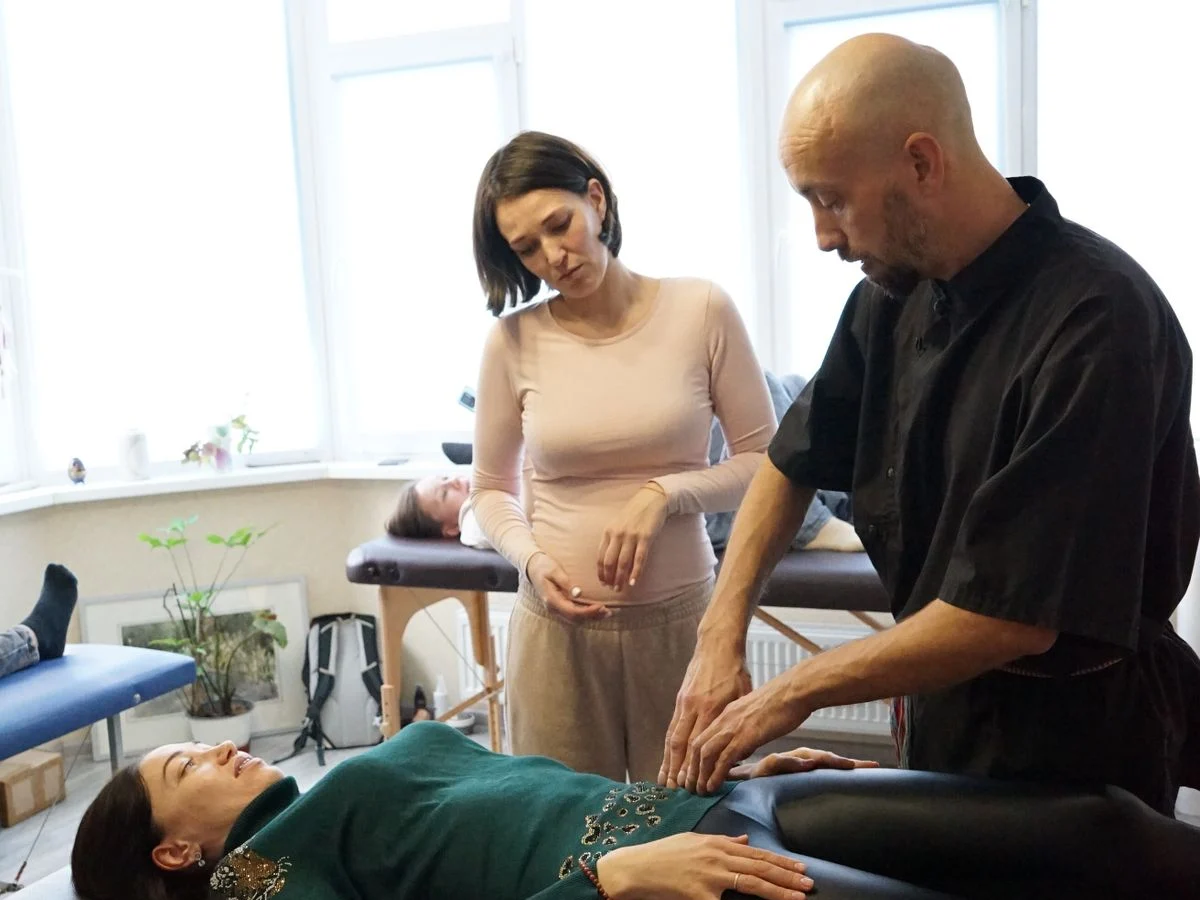
Illustrative bodywork workshop photograph by Jakob Welik / Pexels.