By Susan Findlay
Football, football, football! According to physioroom.com, there are over “240 million registered players worldwide”, and this does not include the recreational football players who typically play every Saturday on local fields. Some say it is the world’s most popular sport.
This article examines common football injuries, the demands training and match play place on the body, and the role of soft tissue work within a wider rehabilitation team. It also explores why a player’s life away from the pitch matters when assessing recurring problems. Football injuries are generally less severe. Most are the result of repetitive training and trauma. These include sprains (lateral ankle) and strains (hamstrings and groin), as well as trauma due to a collision with another player.
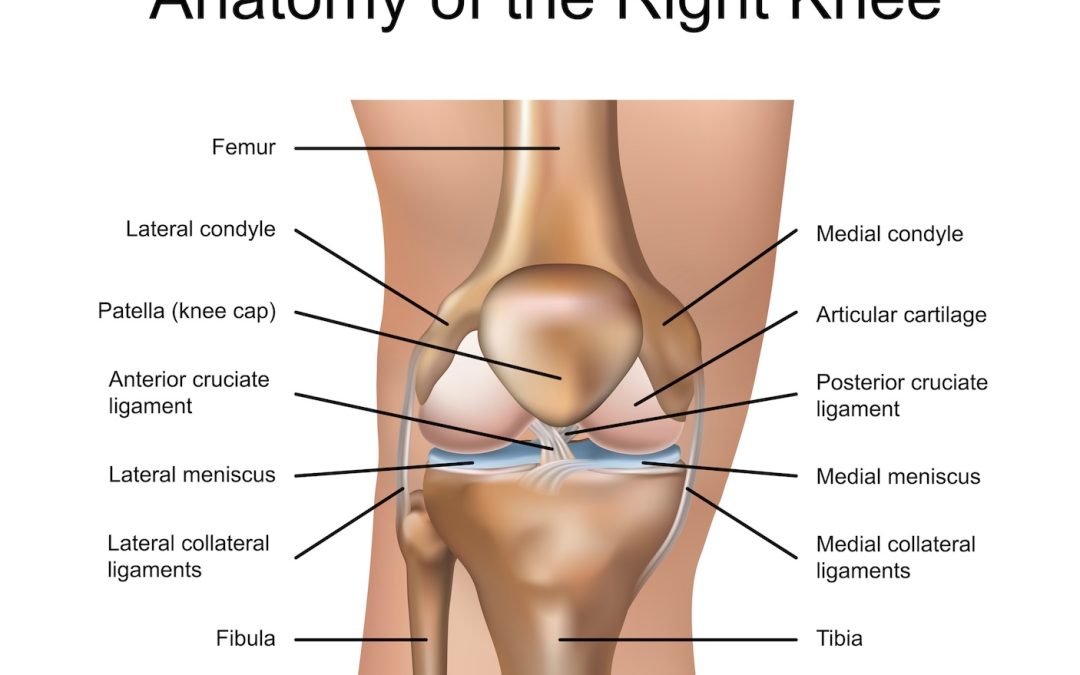
Of the more serious conditions, ACL (anterior cruciate ligament) injuries are ranked as one of the top 5 common injuries associated with football. Football places a high demand on the knee, and most ACL tears occur when a player pivots and lands from a jumping motion. (Less than 20% are from contact injuries). Dr Bertram Zarins, MD, has an excellent YouTube video demonstrating ACL reconstruction using animation, so if you get a bit squeamish seeing the real thing, his video will take you through the process with minimal stress. (http://www.youtube.com/user/BertramZarinsMD). Rehabilitation can be lengthy, and recovery can take 4–7 months before the knee feels normal and the athlete can return to sporting activities. For the first couple of weeks, the goals are to minimise swelling, reduce pain, encourage movement, and regain range of motion. It is important to get a patient walking or cycling as soon as possible; this also helps improve strength. Massage therapists will work alongside the medical team to improve a client’s range of motion and their soft tissue recovery. Other team members will handle strength and conditioning, which could include the Strength and Conditioning Coach, a Sports Therapist, or a Physiotherapist.
Players can cover between 8-11 km during a 90-minute game, with most injuries occurring in the last 10 minutes, as well as recurring injuries that flare up during this part of the match. One major factor is fatigue, which reduces the energy supply to muscles. Research shows that, on average, players operate at 75% of their VO2 max during the 90 minutes of play, which significantly depletes their energy stores. (http://www.brianmac.co.uk/football/energy.htm)
Common injuries such as hamstring and groin strains often result from their repetitive training workload. At the end of training sessions, they do shooting drills; after an hour of training and then repeatedly smashing football at the goal, the rectus femoris and groin problems start to show up. The most common movement associated with this problem is when they try to curl the ball and use a massive amount of tension in internal rotation, which loads the pelvis and leg. To understand the process and get a clearer idea of what happens, I suggest you watch YouTube videos of how David Beckham kicks the ball. (See below for suggested videos). Watch how he shoots, and you will be able to spot all his movements and how he whips the ball towards the net. Roughly, what happens during the swing is that the hip will start in extension and adduction, and as they start the strike, they will start to flex the hip, laterally rotate and slightly abduct; then, after the ball has been contacted, they will continue through flexion, medially rotating their hip and adducting again. This is known as whipping (trying to curl it). This repetitive movement places tension through the leg muscles, which can lead to various muscle strains.
Barry Sigrist’s strategy (Watford Football Club, Sport & Remedial Massage Therapist and Sports Therapist) is to have players who might need treatment for “stiffness” come in before their training session; depending on how many need to be seen and how many therapists are on hand, they will come between 9 am and 10 before starting their activation exercise-based warm-up at 10:15, followed by training at 11. The pre-training soft tissue work starts with a general flush-out, moves to deeper work, and finishes with high-velocity techniques before the game. Stimulation is important; it prepares them mentally and has a massive psychological element. They feel prepared, and the process becomes a part of their ritual. More intense remedial work comes after the session, as it is not advisable to give them a new range they aren't used to controlling. They have protocols players must follow in recovery, i.e., coming in every day for 10 minutes of rehab work, an exercise element, a current injury-prevention strategy, etc.
But not all soft tissue problems come from training/playing; they can also result from home life and social habits. It is important to look at the player holistically and consider what is happening away from the club as well as in it. A prime example is a very tall player who bought a new car that was unfortunately not the appropriate size for his height. The small car forced him to scrunch up, and he was spending a great deal of time driving to and from work; as a result, he developed lower back pain. It was a bit of a puzzle until the assessment broadened to include his lifestyle. Then, after numerous rehabilitation approaches, the one that worked best was a myofascial release technique. Sometimes it requires a bit of persistence and digging. You have to come up with strategies that affect the whole of their lives and not just what they do in the sport.
The thread running through these examples is the need to look beyond the painful area. Training demands, match fatigue, rehabilitation and everyday habits all belong in the assessment. For massage therapists, the emphasis is on supporting soft tissue recovery and range of motion while working alongside the wider medical and conditioning team.
Terminology Corner/Soccer Gamerisms:
Banana Kick – jargon for a kicked ball that curves and moves around obstructions.
Dummy Run – movement by two players on the same team, only one of whom has the ball, intended to trick the opposing team.
Flick Header – lingo for a player who deflects the ball with their head.
Nutmeg – slang for threading or moving the ball through the space between a player's legs.
Sweeper – a term for the last defender before the goalie—the final line of defence.
For more interesting terms for all sports, go to www.gamerisms.com
Interesting Links:
www.thefa.com
http://www.scottishfa.co.uk
http://www.faw.org.uk/
http://www.irishfa.com/
http://www.fifa.com/
Curve Goals http://www.youtube.com/watch?feature=iv&v=uJlYa0LR41k&annotation_id=annotation_398107&src_vid=aTne66aK3OI
Cristiano Ronaldo Free Kick in slow motion http://www.youtube.com/watch?v=alAdGcAnXQA&feature=related
All the FreeKicks from David Beckham
SUSAN FINDLAY
Susan’s first love is dance, sport, anything to do with the joy of movement. She trained as a nurse in Canada but soon left the profession when she came to the UK, as she wanted a deeper connection with her clients. For many years she worked in both health and fitness, teaching 20+ classes a week and running GP referral schemes. She wanted to make better use of all her knowledge, which led her to retrain as a Sports Massage and Remedial Soft Tissue Therapist. She is currently the director of NLSSM and specialises in teaching Oncology Massage. She is the author of Sports Massage: Hands-on Guide for Therapists and is the Sports Massage feature writer for Massage World. She volunteers her time as a GCMT board member.
You can join her on Massage Mondays for free weekly massage videos at www.susanfindlay.co.uk